Our Top Picks at a Glance
Why This Comparison Matters
Fitness trackers have fragmented into three distinct tiers, each with a fundamentally different philosophy. The Garmin Venu 3S ($350) is a full GPS smartwatch that does everything. The Oura Ring ($299 + $5.99/month) is a near-invisible ring focused on sleep and recovery. The Fitbit Inspire 3 ($80) is a lightweight band that handles the basics well at a fraction of the cost.
Most comparison articles just list specs. We wore all three — simultaneously — for 30 days to see how they performed on the same body, during the same activities, with the same sleep. This eliminates the biggest variable in fitness tracker reviews: different test conditions.
Head-to-Head Comparison
| Feature | Garmin Venu 3S | Oura Ring Gen 3 | Fitbit Inspire 3 |
|---|---|---|---|
| Price | $349.99 | $299 + $5.99/mo | $79.95 |
| Form Factor | Smartwatch | Ring (invisible) | Slim band |
| Battery | 10 days | 7 days | 10 days |
| Sleep Tracking | Very good | Clinical-grade | Good |
| Workout Tracking | 30+ sports, GPS | Basic auto-detect | 20+ sports (no GPS) |
| Heart Rate | 24/7 + advanced | 24/7 | 24/7 |
| GPS | Built-in | None | Connected (phone) |
| Display | 1.2" AMOLED touch | None | Small AMOLED |
| Subscription | None needed | $5.99/mo required | $9.99/mo optional |
| Water Resistance | 5 ATM | 100m | 50m |
| Smart Features | Notifications, music, pay | None | Notifications |
| Annual Cost (Y1) | $350 | $371 | $80 |
Sleep Tracking: Oura Dominates
If sleep optimization is your primary goal, the Oura Ring is in a different league. Over 30 nights, its sleep staging data was the most granular and consistent. It tracks skin temperature trends (useful for illness detection and cycle tracking), HRV (heart rate variability) with clinical-level accuracy, blood oxygen, and resting heart rate. The "Readiness Score" each morning is the single most useful metric any of these devices provides — a 1-100 number that tells you whether to push hard or take it easy.
The ring form factor is the key advantage for sleep. You don't feel it at all, unlike a wrist device. Our sleep quality data from the Garmin was good — sleep staging and sleep score were reasonably accurate — but it's not as detailed as Oura's. The Fitbit provides basic sleep stages that are fine for casual tracking but lack the depth serious sleep optimizers want.
The trade-off: Oura requires a $5.99/month subscription for the detailed insights. Without it, you get basic data that barely justifies the $299 hardware cost.
Workout Tracking: Garmin Is Unmatched
For active people, the Garmin Venu 3S is the clear winner. Built-in GPS means accurate outdoor distance tracking without carrying your phone. 30+ sport profiles cover running, cycling, swimming, hiking, yoga, strength training, and more. Real-time heart rate zones during workouts help you train at the right intensity. Body Battery energy monitoring is genuinely useful — it tracks your energy reserves throughout the day based on stress, activity, and sleep.
The Fitbit Inspire 3 handles basic workout tracking well — step counting, heart rate during exercise, automatic exercise detection. But it relies on your phone's GPS for outdoor tracking and the small screen limits real-time data during workouts. The Oura Ring barely qualifies as a workout tracker. It auto-detects activity and provides post-workout analysis, but offers zero real-time feedback during exercise.
Daily Comfort: Oura Wins, Fitbit Close Second
You genuinely forget the Oura Ring is there. That's its superpower. The Fitbit Inspire 3 is the lightest wrist tracker we've worn — barely noticeable during sleep or exercise. The Garmin Venu 3S is a proper smartwatch that looks good but you always know it's on your wrist. It's not uncomfortable, but it's the heaviest and most noticeable of the three.
Value Analysis: The Math
Year 1 costs: Garmin $350 (no subscription), Oura $371 ($299 + 12 × $5.99), Fitbit $80 ($200 with optional Premium at $9.99/mo). Year 2: Garmin $0, Oura $72 (subscription), Fitbit $0-120.
Over 3 years, the Garmin is actually the cheapest premium option at $350 total. The Oura costs $515. The Fitbit is $80-440 depending on whether you subscribe.
But the real value question is: does the Fitbit Inspire 3 at $80 do enough? For most people, yes. It handles 80% of what the Garmin does for daily health tracking. Where you pay the Garmin premium is for GPS, advanced metrics, the beautiful AMOLED display, and no-subscription insights.
Our Final Verdict
Best Overall: Garmin Venu 3S ($349.99) — Does everything with no ongoing costs. GPS, gorgeous display, advanced health metrics, 10-day battery.
Best for Sleep: Oura Ring Gen 3 ($299 + $5.99/mo) — Nothing else comes close for sleep data. Worth it if sleep optimization is your #1 health goal.
Best Value: Fitbit Inspire 3 ($79.95) — The fitness tracker for most people. Handles the fundamentals extremely well at a fraction of the premium price.
Who should skip all three: If you just want step counting and basic health awareness, your phone already does that. These are for people who want data-driven health insights.
Garmin Venu 3S
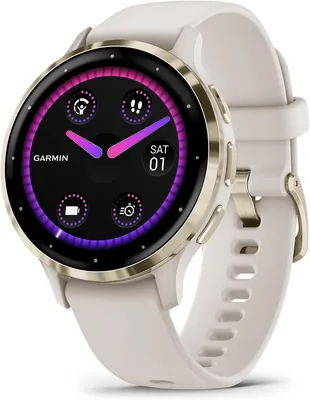
Advanced GPS smartwatch with AMOLED display, Body Battery energy tracking, and 10-day battery life. The most complete fitness tracker we tested.
Oura Ring Gen 3
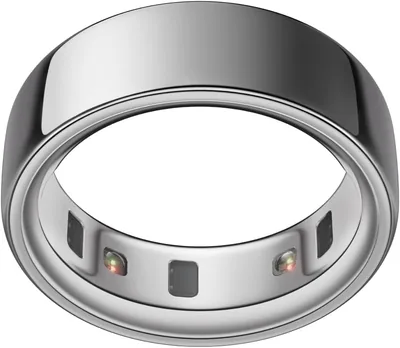
Clinical-grade sleep tracking in a near-invisible ring form factor. Readiness Score is the most useful health metric we tested.
Fitbit Inspire 3
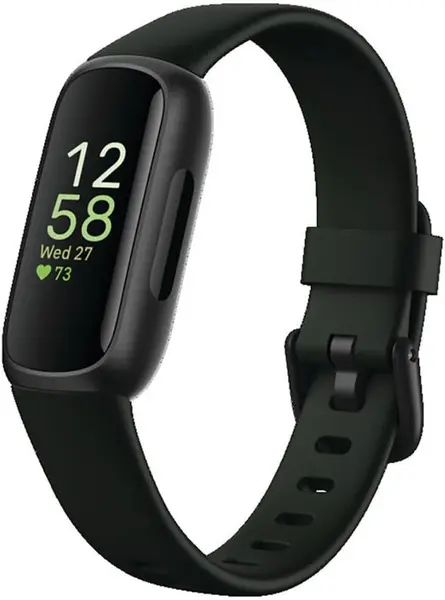
Reliable daily health tracking at a fraction of the premium price. Does 80% of what the Garmin does for $80.