The Promise vs. Reality of Robot Vacuums
Robot vacuums promise "set it and forget it" cleaning. After 6 weeks of daily use, we can confirm: the Roborock Qrevo comes remarkably close to delivering on that promise. It's not perfect — it won't replace a deep manual clean — but it maintains a baseline cleanliness that makes manual vacuuming a monthly event instead of a weekly chore.
Our Pick
Roborock Qrevo Robot Vacuum & Mop
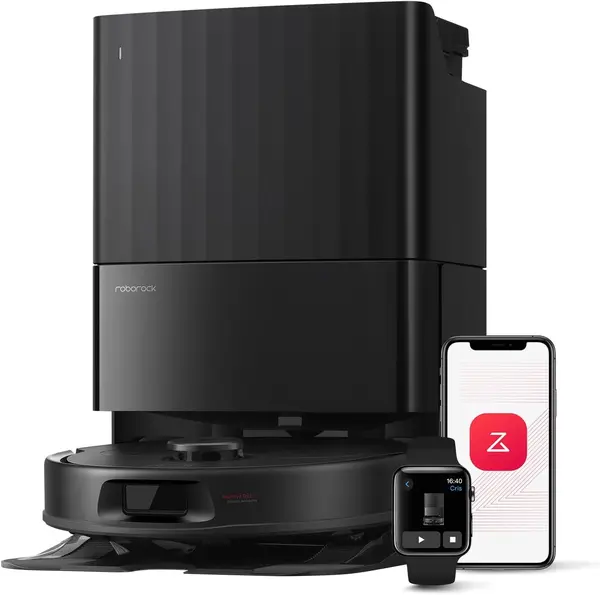
LiDAR navigation + auto-empty dock + vacuum/mop combo. 6 weeks tested with 2 cats.
6-Week Real-World Test Results
Setup (Day 1): 15 minutes to unbox, charge, and run the first mapping run. The LiDAR sensor mapped our 1,200 sq ft apartment in a single run, identifying rooms, furniture, and obstacles with impressive accuracy. Set no-go zones around cat food bowls and the drying rack. Scheduled daily runs at 10am.
Pet hair (critical test): Two cats generate substantial fur. The Qrevo handled it daily without clogging. The rubber brush roll resists hair tangling far better than bristle designs. The auto-empty dock meant we emptied the dust bin approximately every 3 weeks instead of every session.
Mopping: The simultaneous mopping is the feature we had the lowest expectations for, and it exceeded them for maintenance cleaning. It won't scrub dried spills, but it keeps hard floors consistently clean between manual mopping sessions. The auto-lift feature raises the mop pad on carpet, which works reliably.
Navigation: The LiDAR navigation is the Qrevo's strongest feature. It doesn't bump into furniture like camera-based or random-bounce models. It maps efficient cleaning paths, avoids obstacles, and adapts to rearranged furniture. Our cats occasionally surprised it (moving obstacles aren't in the playbook), but recovery was always quick.
The Real Cost Analysis
$450 sounds expensive for a vacuum. But consider: if you spend 30 minutes vacuuming 2x/week, that's 52 hours per year. Value your time at even $15/hour and that's $780/year of time. The Roborock pays for itself in 7 months of time savings — and it runs every day, which is more frequent than most people vacuum manually.
🛒 Robot Vacuum Buying Guide: What Actually Matters
Navigation type matters most. LiDAR mapping (like the Roborock Qrevo) creates a precise room map before cleaning. Camera-based navigation (Roomba j7+) uses AI object avoidance. Gyroscope/random bounce (basic Roomba models) cleans less efficiently. LiDAR is worth the premium for consistent, predictable cleaning paths.
Auto-empty dock is the real game-changer. The difference between a robot vacuum you interact with daily and one that genuinely runs itself is an auto-empty dock. It adds $50-100 to the cost but eliminates the most annoying maintenance task.
Mopping works for maintenance, not deep cleaning. If you expect a robot mop to replace manual mopping entirely, you'll be disappointed. Think of it as daily maintenance between proper mops — and on that front, it genuinely delivers.
Bottom Line
The Roborock Qrevo is worth $450 if you have pets, hard floors, or simply value your time. LiDAR navigation and the auto-empty dock make it genuinely hands-free for weeks at a time. It won't replace deep cleaning, but it maintains daily cleanliness better than any manual routine we could sustain.