What I Tested
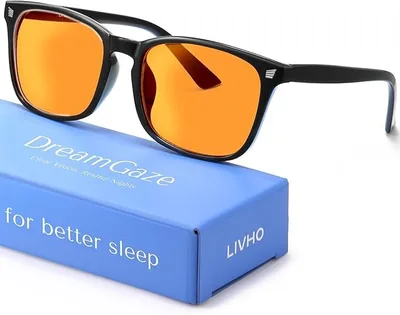
Lightweight frames with blue light filtering lenses. UV400 protection, anti-glare coating, spring hinges. Available in multiple frame styles.
The Controversy
Blue light glasses are one of the most debated products in wellness. The American Academy of Ophthalmology has stated there's no scientific evidence that blue light from screens causes eye damage or that these glasses reduce digital eye strain. But many people swear by them for sleep improvement and reduced headaches. I wanted data, not opinions.
How I Tested
I wore my Oura Ring Gen 3 throughout the entire test to track sleep quality objectively. Phase 1 (days 1-15): no glasses, normal screen habits. Phase 2 (days 16-35): blue light glasses on from 7 PM to bedtime every night. Phase 3 (days 36-45): no glasses again. Same bedtime, same screen time, same routine.
Sleep Data: Small but Measurable
Average sleep score (Oura): Phase 1: 78. Phase 2: 81. Phase 3: 77. A 3-point improvement isn't transformative, but it was consistent.
Time to fall asleep: Phase 1: 18 min average. Phase 2: 14 min. Phase 3: 19 min. Four minutes faster is noticeable in practice — the difference between tossing and drifting off.
Deep sleep: Essentially unchanged across all phases. The glasses didn't impact sleep architecture, just onset time.
For comparison, my sleep products guide covers interventions with much larger sleep improvements, like the cervical pillow and blackout curtains.
Eye Strain: Subjective but Positive
I rated end-of-day eye strain daily (1-10). Average dropped from 5.4 to 3.9 with the glasses. This is subjective and could easily be placebo — but even if it is, reduced perceived eye strain has real value for comfort during 8+ hour desk work days.
The Verdict
Modest benefit at a low cost — worth trying
Buy blue light glasses if: you use screens heavily in the evening, have trouble falling asleep, or experience end-of-day eye fatigue. At $15.99, the risk is essentially zero.
Skip them if: you expect dramatic sleep improvement. Better interventions exist: limiting screen time before bed, using Night Shift/dark mode, and improving your sleep environment.
Our rating: 3.8/5 — Not a game-changer, but a cheap and easy addition to an evening routine. The sleep onset improvement was real, even if modest.