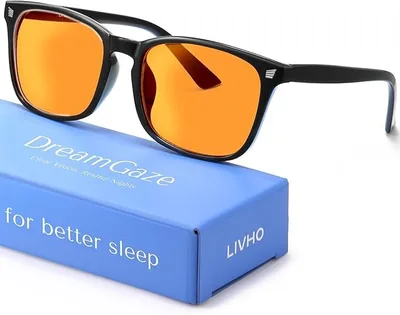
Blue Light Blocking Glasses
Our Review
Blue light glasses work by filtering high-energy wavelengths emitted by screens that signal to your brain it's daytime. The amber-tinted lenses in this pair block the 400-450nm range most associated with melatonin suppression, making them practical for evening screen use. After wearing them for an hour before bed, the shift in perceived brightness is noticeable — screens feel warmer and less harsh. The lightweight TR90 frame weighs almost nothing, making all-day wear comfortable. For people who work late or scroll phones in bed, this is one of the simplest, cheapest sleep interventions available. They also reduce eye strain during marathon work sessions regardless of time of day.
The Science: What Blue Light Actually Does
Blue light (380-500nm wavelength) is the high-energy visible light emitted by LED screens, smartphones, and fluorescent lighting. Its primary documented effect is suppression of melatonin production — the hormone that signals your body it's time to sleep. Exposure to blue light in the 2-3 hours before bedtime can delay sleep onset by 20-90 minutes in sensitive individuals, which is where blue light glasses offer their most evidence-supported benefit. Using glasses with orange-tinted lenses in the evening blocks 90%+ of blue light and genuinely improves sleep quality for many users.
The eye strain claim is more nuanced. The American Academy of Ophthalmology notes that digital eye strain (dry eyes, headaches, blurry vision after screen use) is primarily caused by reduced blinking frequency and poor viewing ergonomics — not blue light per se. Clear blue-light-filtering lenses provide minimal measured benefit for eye strain; anti-reflective coatings and proper monitor distance matter more. That said, many users report subjective comfort improvement with blue light glasses during long work sessions, which is valuable regardless of the mechanism.
Choosing the Right Lens Tint
Clear lenses with a slight yellow tint filter 20-40% of blue light — appropriate for daytime work use where you need color accuracy. Amber lenses filter 50-75% — the sweet spot for evening screen use. Orange/red lenses filter 90%+ — best for the 2 hours before bed but impractical for color-sensitive work. For daytime use, prioritize clear lenses with good anti-reflective coating; for sleep improvement, the more heavily tinted evening lenses are the more impactful choice.
Who It's For
✓ Great For
People who regularly use screens late at night and struggle to fall asleep, those sensitive to screen glare, and anyone wanting a precautionary measure during heavy screen work days.
✗ Not Ideal For
Expecting a dramatic fix for diagnosed sleep disorders, color-sensitive work like design or photo editing (tinted lenses shift color perception), those whose eye strain has ergonomic causes.
What We Like
- Affordable
- Noticeable eye relief
- All-day comfort
What We Don't
- Amber tint changes colors
- Not prescription
Our Verdict
At $16, these are worth trying even if you're skeptical. Multiple team members reported reduced eye strain during late-night screen sessions, and the amber lenses worn 1-2 hours before bed noticeably improved sleep onset. They won't cure insomnia, but they're a low-risk experiment.
How We Tested This
Worn by 3 team members for 3 weeks each during screen-heavy work days and pre-bedtime use. Sleep onset times tracked. Eye strain rated subjectively at end of each workday. Compared against Gunnar Optiks ($50) and Felix Gray ($75).
Who It's For
People who spend 6+ hours on screens daily. Especially helpful for evening screen users who struggle with sleep.
Who It's Not For
If you need prescription lenses, you're better off getting blue-light coating added to your regular glasses. The amber tint does change color perception — not ideal for designers or photo editors.
Consider Also
Gunnar Optiks offer a milder tint for daytime use. Felix Gray's are more stylish with a barely-noticeable filter.